
ednesday's Hearing: Who And What To Know
A look at the people, concepts and investigations pivotal to a Senate Intelligence Committee hearing.
PEOPLE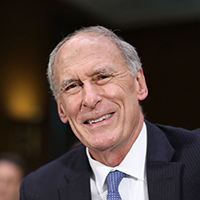
Dan Coats
Director of national intelligence
Top U.S. spymaster; under pressure over surveillance of Americans
Longtime Washington operative who served in the Senate from Indiana and as an ambassador; now nominal boss of the 17 agencies in the U.S. intelligence community. Reportedly irked by mild White House support, delays in confirmation and nomination and the potential threat of an outsider being tasked to “review” the intelligence agencies. Coats has declined to discuss reports that Trump asked him to publicly quash allegations about collusion between Trump aides and Russia.
Photo: Chip Somodevilla/Getty Images
Last updated: June 7, 2017

PEOPLE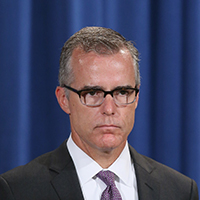
Andrew McCabe
Acting director of the FBI
Unexpectedly yanked into the spotlight after Comey firing
An FBI special agent since 1996, serving in the New York Field Office, the Counterterrorism Division and elsewhere. Became deputy director last year; now acting director after President Trump’s surprise dismissal of James Comey. Is not expected to serve long leading the FBI, with Republicans citing McCabe’s wife’s political aspirations as a Democrat and ties to Virginia Gov. Terry McAuliffe. The White House is searching for another interim FBI director.
Photo: Chip Somodevilla/Getty Images
Last updated: June 7, 2017
PEOPLE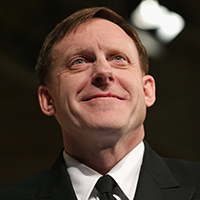
Mike Rogers
Director of the National Security Agency
Spy world’s chief electronic snoop and cyber boss
Runs vast spy agency that monitors electronic communications around the world. Top Pentagon cyber officer. Interviewed with Donald Trump for an administration role but stayed as boss of NSA. Was among key intelligence agency leaders who concluded Russia not only meddled in the election but also did so to hurt Hillary Clinton and help Trump. Reportedly asked by Trump to quash allegations about collusion between Trump camp and Russia; Rogers has not commented.
Photo: Chip Somodevilla/Getty Images
Last updated: June 7, 2017
PEOPLE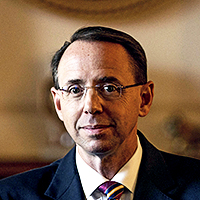
Rod Rosenstein
Deputy U.S. attorney general
Supported firing Comey, appointed special counsel Mueller
Former U.S. attorney for Maryland. Top Justice Department leader of investigation into Trump until his May 17 appointment of Robert Mueller as special counsel. (Attorney General Jeff Sessions has recused himself.) Trump reportedly instructed Sessions and Rosenstein to make case for firing then-FBI Director James Comey, which they did in memos Trump cited as cause for Comey’s dismissal. Rosenstein vowed never to permit political interference in ongoing investigations.
Photo: Andrew Harnik/AP
Last updated: June 7, 2017
INVESTIGATIONS
SSCI
Senate Select Committee on Intelligence
Set to hear open testimony from ex-G-man Comey
Less partisan, slower-paced investigation into potential Trump connections to Russian election meddling. Has interviewed many witnesses behind the scenes. Subpoenaed documents related to Michael Flynn, who has agreed to turn over business records amid his assertion of the Fifth Amendment privilege. Other subpoenas also believed in the works. Scheduled to convene June 8 to hear first open testimony by former FBI Director James Comey since his firing by Trump on May 9.
Last updated: June 7, 2017
DOCUMENTS
Section 702
Key portion of Foreign Intelligence Surveillance Amendments Act
Controversial snooping law due to expire this year
Authorizes American intelligence to target the communications of non-U.S. persons outside the U.S., even if they’re talking with Americans, without a warrant. Requires agencies to “minimize” details about such “incidentally” surveilled Americans, but some key officials can ask for details to be “unmasked.” The law is set to expire this year, amid renewed debate about whether Congress should permit the practice to continue.
Last updated: June 4, 2017
CONCEPTS
'Incidental Collection'
U.S. intelligence community practice
Surveillance of Americans who are not the targets of foreign collection
U.S. intelligence agencies need a warrant to spy on Americans, but not foreigners overseas. When an American communicates with a foreign target, Congress permits the spying to go on, so long as information about the “U.S. Person” is “minimized.” Trump and his aides may have been caught up in this “incidental collection” before the inauguration.
Last updated: June 4, 2017
CONCEPTS
'Unmasking'
U.S. intelligence community practice
Enables top leaders to see identities of Americans caught up in surveillance
Spy agencies conceal the names of Americans in their reports who have been “incidentally” overheard or mentioned during surveillance of foreign targets. But some top officials, like the national security adviser or the FBI director, can ask an agency that has provided intelligence (for example, the National Security Agency) to “unmask” those details if they want to understand more or believe there’s evidence of a crime. An Obama-era official may have done so and leaked Michael Flynn’s name to The Washington Post.
Last updated: June 4, 2017
CONCEPTS
'Minimization'
U.S. intelligence community practice
Spies claim it protects privacy of Americans; critics say it’s not enough
U.S. spy agencies can monitor the communications of Americans talking with targeted foreigners overseas if they "minimize" the details. Instead of names, reports allude to "U.S. Person 1," whether it's a citizen or a company, etc. The information is closely controlled. Spy agencies conduct internal oversight and present annual reports about their "minimization" to judges and Congress. Critics, though, say too many people are swept up and the practice remains too invasive.
Last updated: June 7, 2017
PEOPLE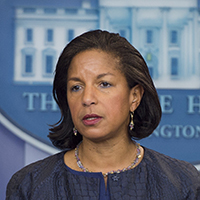
Susan Rice
Former Obama U.N. ambassador and national security adviser
Accused of improperly “unmasking” intelligence
A long-standing target of Republican ire over role in announcing 2012 Benghazi attack. Accused by White House officials – who released information via House Intelligence Committee Chairman Devin Nunes – of improperly “unmasking” names of Trump aides swept up in “incidental collection” during transition. Rice denies any improper action or leaks to press.
Photo: Saul Loeb/AFP/Getty Images
Last updated: June 4, 2017
PEOPLE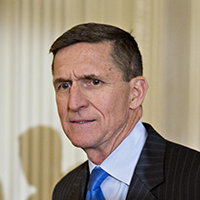
Michael Flynn
Former Trump national security adviser
Resigned after misleading White House about contacts with Russian ambassador
Retired three-star Army general; former director of the Defense Intelligence Agency; close campaign aide to President Trump. Talked with Russian ambassador following election and may have offered accommodations on sanctions or other punishment imposed by President Obama following Moscow’s election mischief; quit after misleading Vice President Pence about talks with the Russians. Has agreed to turn over business records amid his assertion of the Fifth Amendment privilege.
Photo: Andrew Harrer/Pool/Getty Images
Last updated: June 7, 2017

Δεν υπάρχουν σχόλια:
Δημοσίευση σχολίου